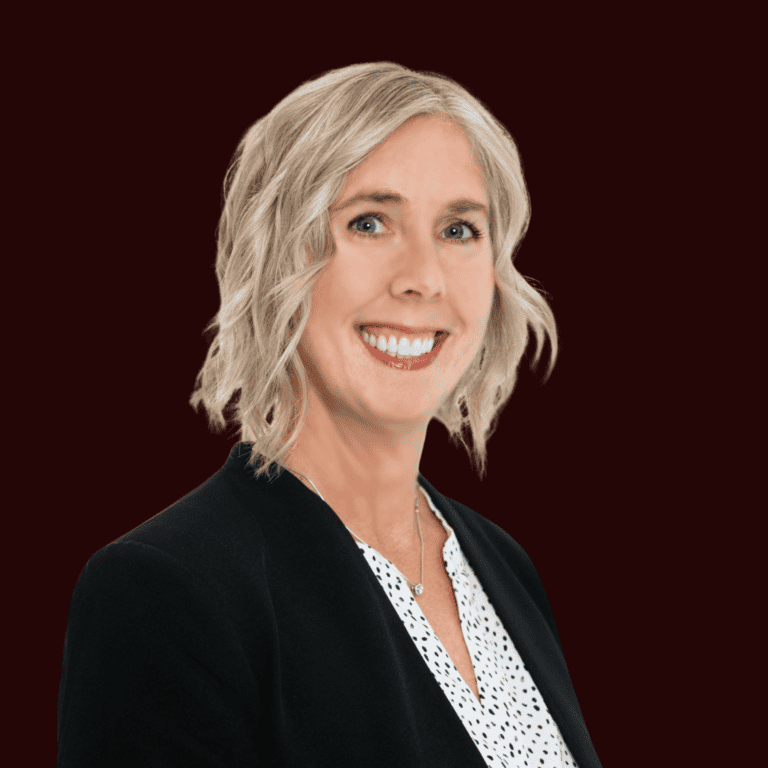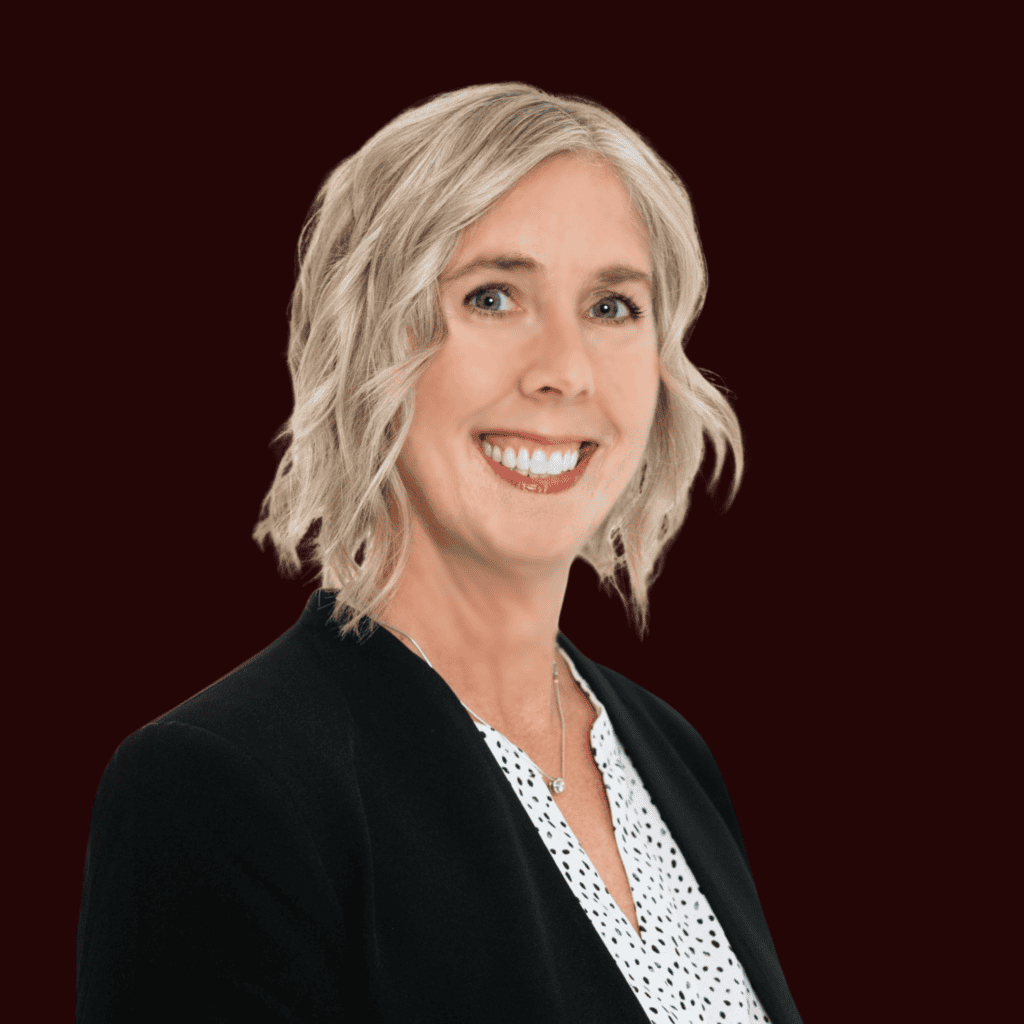
Recently, we spoke with Dr. Fanny Elahi, a neurologist and member of Radence’s Clinical Advisory Board, about what early detection really means when symptoms have not yet appeared.
Her view was direct:
“I don’t think early detection is only valuable if we can do something about it. Detection with great precision in of itself has value.”
That challenges a common expectation that information only matters if it leads to an immediate intervention. Dr. Elahi framed it differently. Some people want the earliest possible insight, even when the science is still catching up to what we can change. Others do not. She described that as a personal choice about how someone wants to live with uncertainty.
In her words, it is not for everyone. And it should not be.
What “Early” Actually Means
Dr. Elahi made an important distinction. Early detection is not simply finding disease earlier in the symptomatic phase.
She described the real frontier as preclinical detection. Detecting biological perturbations that may be associated with future loss of function, before someone is getting lost, struggling with memory, or unable to interact with the world the way they used to.
That shift changes the tools we rely on.
She pointed to several that are rapidly advancing:
- Imaging
- Molecular markers, including what can increasingly be detected from blood
- Wearables and other ways of tracking physiology and function over time
She also emphasized that people have good days and bad days, and natural fluctuations in function. The goal is not to overreact to a single data point. It is to understand biology in context, across time.
A Wider View of Brain Health
A central theme in the conversation was that neurodegeneration is not just a brain story.
Dr. Elahi spoke at length about the role of vascular biology and the smallest blood vessels in the brain, and how age-related changes in vascular function can quietly accumulate over time. This is one reason her lab focuses on vascular pathologies. Her underlying point was simple: the health of the vasculature is deeply tied to the health of the organ it serves, including the brain.
She also noted that the field is moving beyond rigid diagnostic “buckets.” Her hope is for a future where biomarkers help identify precise biological perturbations, such as disruptions in lipid metabolism or immune function, and guide more personalized strategies for restoring balance and resilience.
Aging Is Not the Enemy
One of the most human parts of the conversation was her perspective on aging itself.
Dr. Elahi drew a bright line between disease and normal evolution. Dementia and progressive brain degeneration are not acceptable outcomes. Those are problems to detect early and prevent where possible.
But she also challenged the idea that optimal aging means staying the same. She described looking forward to the ways the brain evolves with experience, and she rejected the cultural obsession with an “eternal 20-year-old brain.”
Her point was not that decline should be ignored. It was that sensitive tools will force more nuanced questions:
- What is disease-causing biology?
- What is normal aging?
- What should we treat, and what should we leave alone?
What This Means for You
If you choose to engage in early detection, you are not committing to constant action.
You are choosing to see biology earlier, and to make decisions with more information over time.
Dr. Elahi’s perspective reinforces something we believe at Radence: as detection becomes more sensitive, interpretation matters more. The goal is not to chase every signal. The goal is to identify pathological perturbations early, understand what they may mean, and support thoughtful choices as science continues to progress.
How and whether you engage with uncertainty should always remain your choice.
To inquire about Radence Membership, schedule a discovery call.